 Skip to content
Mobile Fire Pump System Installation Planning for Smooth Project Execution
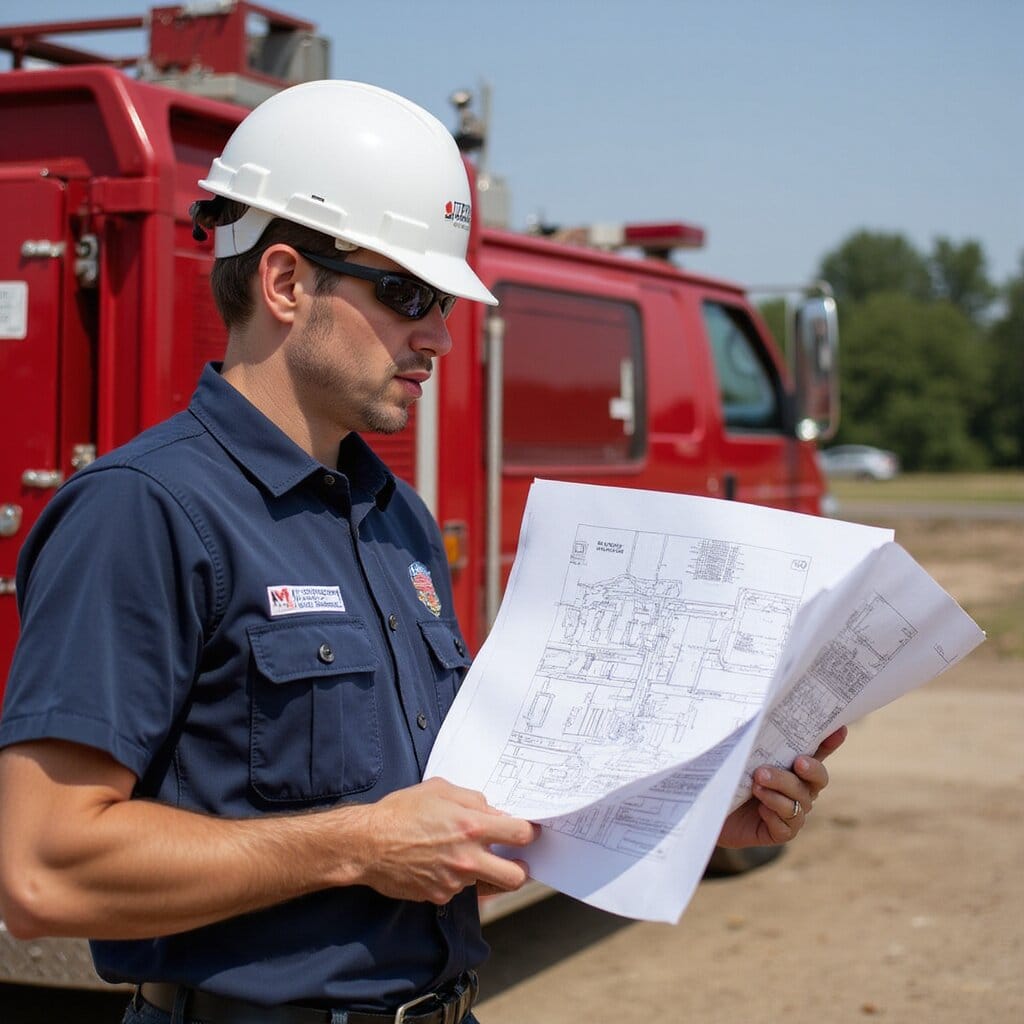
Effective planning is essential when deploying a temporary fire pump during system outages, upgrades, or new construction. Mobile Fire Pump System Installation Planning helps ensure your temporary fire protection solution is deployed safely, efficiently, and in alignment with project timelines. RentFirePumps.com works with facility managers, building owners, contractors, and fire protection professionals to plan mobile fire pump installations that support compliance, safety, and uninterrupted operations.
Without proper planning, temporary fire pump installations can face access issues, connection delays, and inspection complications. Strategic planning reduces these risks and ensures your mobile fire pump is ready when you need it.
How Planning Reduces Downtime and Risk
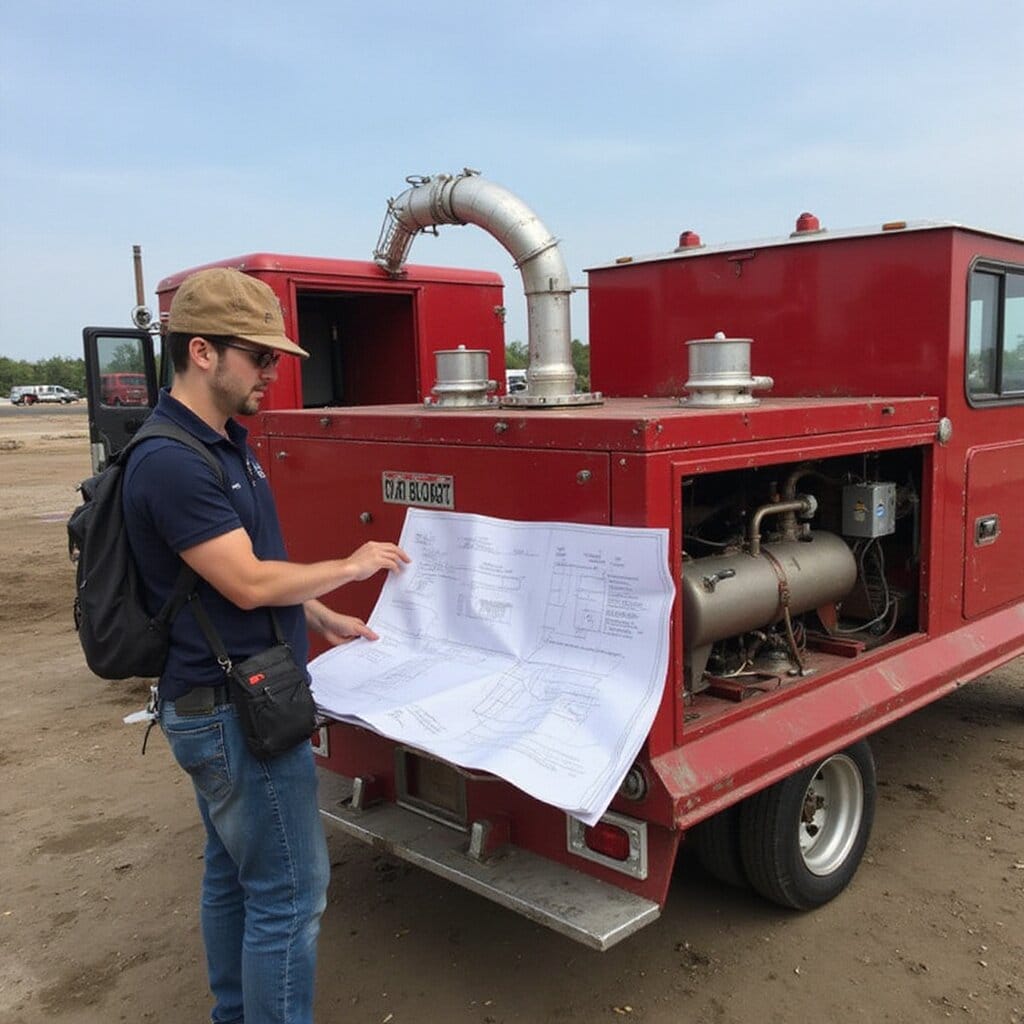
Installation planning identifies key requirements such as access points, equipment placement, hose routing, and connection methods before delivery. This preparation prevents delays that can leave your facility without adequate fire protection coverage.
Mobile Fire Pump System Installation Planning also supports coordination with inspectors and fire protection contractors, helping ensure temporary systems align with regulatory expectations and site constraints.
What Installation Planning Includes
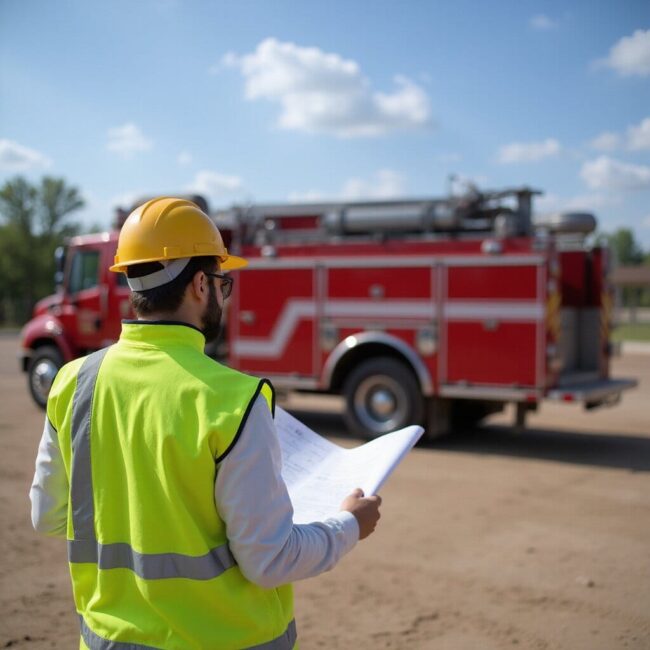
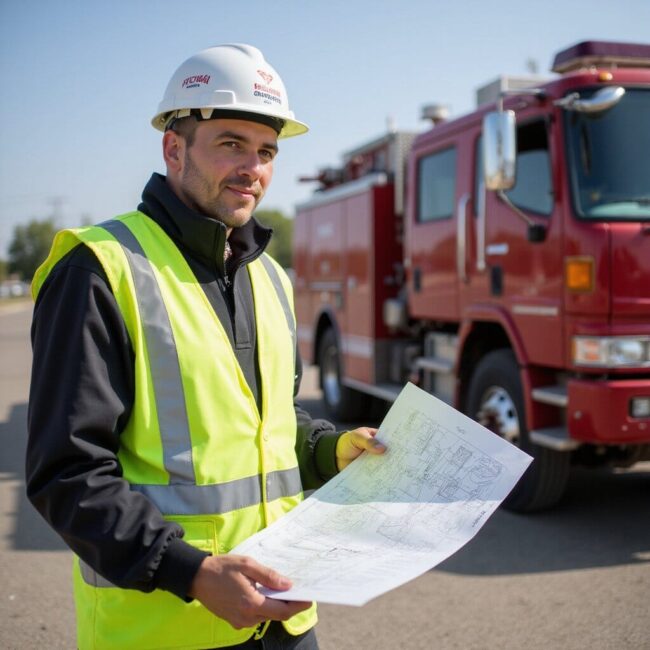
RentFirePumps.com supports installation planning by coordinating with your project team to assess site conditions and system requirements. This includes reviewing connection locations, power or fuel access, space constraints, and flow and pressure needs.
We help you prepare for delivery, placement, and setup so your mobile fire pump can be deployed efficiently. This planning approach helps avoid last minute surprises and supports smooth transitions during fire system outages.
Who Benefits from Installation Planning
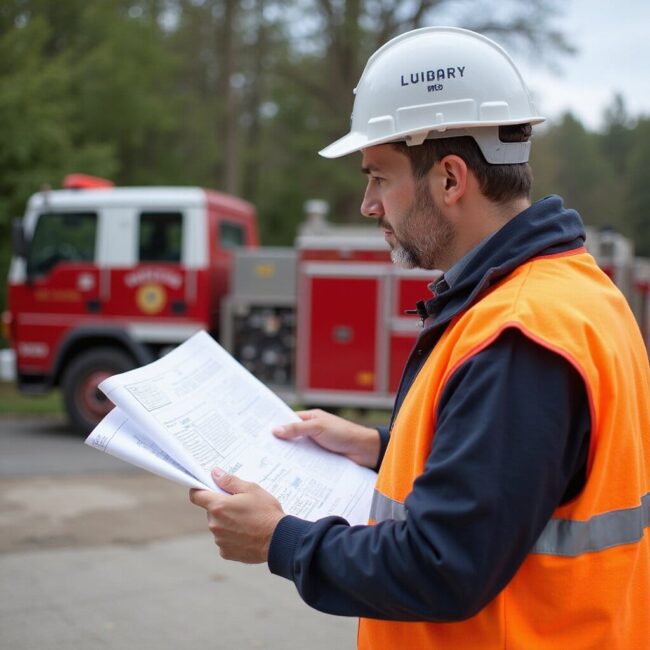
Mobile Fire Pump System Installation Planning benefits facility managers, property owners, construction managers, maintenance teams, and fire protection professionals responsible for maintaining fire protection during maintenance or construction.
Facilities such as hospitals, data centers, industrial plants, warehouses, commercial properties, and large residential buildings rely on planning to maintain continuous fire protection coverage while permanent systems are offline.
Why RentFirePumps.com Supports Smart Planning
RentFirePumps.com brings practical experience and industry knowledge to installation planning. Our mobile fire pump systems are professionally maintained and our team understands real world site challenges, inspection processes, and project coordination needs. This helps you deploy temporary fire protection with confidence and minimal disruption.
Frequently Asked Questions
What is Mobile Fire Pump System Installation Planning
Mobile Fire Pump System Installation Planning is the process of preparing your site and team for the deployment of a temporary fire pump during outages or system upgrades.
When should installation planning begin
Planning should begin before your permanent fire pump is taken offline to ensure continuous fire protection coverage.
What site details are needed for planning
Details may include connection points, access areas, space availability, flow and pressure requirements, and coordination with fire protection contractors.
Does installation planning help with inspections
Yes. Proper planning helps align temporary fire pump deployment with inspection expectations and regulatory requirements.
Who should be involved in installation planning
Facility managers, fire protection contractors, project managers, and the mobile fire pump provider should collaborate to ensure a smooth deployment.
Mobile Fire Pump System Installation Planning
Mobile Fire Pump System Installation Planning starts with one question: how will your fire protection system perform if the permanent fire pump is down, water supply is limited, or the site is under construction?
You must meet NFPA 20 requirements for flow, water pressure, suction and discharge, valves, and backflow. You also must select diesel engine or electric motor power.
Our engineers manage design, placement, access, alarms, commissioning, documentation, and ongoing maintenance. Contact us for rapid and compliant fire pump solutions.
What is a mobile fire pump system and when do you need one?
A mobile fire pump system is a temporary high capacity fire pump set that is often trailer mounted or containerized. It delivers the required water flow and water pressure to your fire protection system when your permanent fire pump is down, not yet installed, or unable to meet demand.
These systems are built for emergency response and fast setup. They ensure that sprinklers, standpipes, hydrants, and fire suppression systems remain operational while repairs or replacements are underway.
Mobile Fire Pump System Installation Planning ensures proper sizing, suction and discharge layout, water supply availability, and safe electrical or diesel fuel arrangements.
Key components of a mobile fire pump rental system
A mobile fire pump rental system typically includes a pump unit, controller, suction and discharge piping, valves, and monitoring systems. Many units include diesel engines or electric motors designed to deliver consistent pressure and flow during emergencies.
The system may also include pressure relief valves, test headers, alarms, and backflow protection to ensure safe and compliant operation.
Common scenarios that require temporary fire pump system solutions
Temporary fire pump systems are commonly required when a permanent fire pump fails, during building construction, during system upgrades, or when a facility undergoes inspection repairs.
They are also used when existing pumps cannot meet system demand or when a facility must remain compliant with fire protection requirements during maintenance or replacement work.
How mobile fire pump system installation planning works with RentFirePumps.com
Mobile Fire Pump System Installation Planning is critical to the success of emergency rentals. RentFirePumps.com focuses on keeping every deployment controlled, compliant, and efficient.
You tell us the issue, such as a failed fire pump, impaired sprinklers, or low water pressure. Our team designs a temporary fire pump solution that protects operations and meets NFPA and local fire code requirements.
We begin with a rapid site assessment that evaluates water supply, access, safety, pressure levels, and flow requirements. Based on this data, we select the right mobile fire pump system powered by either a diesel engine or an electric motor..
Our technicians then position the mobile pump system for safe access and correct alignment. They connect suction and discharge lines, verify water flow and system pressure, and confirm proper controller and alarm operation.
Step by step mobile fire pump system planning process
Planning begins with site data collection, including required flow rates, water source details, and access limitations. Engineers review these factors to determine the appropriate pump size and configuration.
The next stage involves system layout design, equipment selection, and scheduling. Once the equipment arrives on site, technicians complete the setup, testing, and verification process to ensure proper operation.
From first call to on site mobile fire pump system setup
From the first phone call, the planning team gathers key technical details. This allows engineers to determine pump size, capacity, and installation requirements quickly.
Once the equipment arrives, technicians connect the system to the facility water supply and fire protection infrastructure. Testing is performed to confirm the system meets pressure, flow, and safety requirements.
Coordinating with facility managers, contractors, and fire protection teams
Effective planning requires coordination between facility managers, contractors, fire protection engineers, and inspection authorities.
Our team communicates with each stakeholder to ensure proper access, safe installation, and compliance with local fire safety regulations.
Mobile fire pump system sizing and capacity assessment
Mobile Fire Pump System Installation Planning begins with understanding the required fire protection demand. Undersized fire pumps can starve sprinkler and standpipe systems of flow and pressure during emergencies. Oversized pumps can waste fuel and cause unstable pressure conditions.
Every mobile fire pump system is sized based on required flow rate and discharge pressure for the site. Engineers account for suction and discharge losses, elevation differences, pipe sizing, and available water supply.
How we calculate required fire pump flow, pressure, and redundancy
Engineers calculate pump capacity by evaluating system demand, building size, hazard classification, and required flow for sprinkler or standpipe systems.
Additional redundancy may be included to ensure consistent protection during high demand or unexpected pressure fluctuations.
Information you need to provide for accurate mobile fire pump system planning
Facility managers should provide details such as system flow requirements, pressure specifications, available water sources, and site access limitations.
Additional information such as pipe layout, elevation changes, and electrical supply details can help ensure accurate system design and faster deployment.
Site assessment and layout for mobile fire pump system installation
Mobile Fire Pump System Installation Planning begins with a detailed site assessment. The goal is to confirm that a temporary pump system can be installed safely and without operational disruptions.
When a permanent fire pump is out of service due to maintenance, retrofit, or emergency repairs, the temporary system must maintain fire protection without interfering with facility operations.
Engineers or technicians evaluate the entire site, including water sources, discharge piping routes, and installation clearances.
Evaluating access, placement, and routing for temporary fire pump systems
Site assessments determine where the mobile pump system will be positioned for safe operation. Engineers verify access points, equipment clearance, and traffic flow around the installation area.
Routing of hoses, pipes, and valves must avoid blocking emergency exits, walkways, or service routes.
Power, fuel, and water supply considerations for mobile fire pump rentals
Temporary systems require reliable power and water sources. Diesel powered systems need proper fuel supply and safe storage. Electric powered systems require a stable electrical connection.
Engineers also evaluate water pressure, available supply volume, and system compatibility to ensure the pump performs correctly.
Compliance, testing, and documentation for temporary fire pump systems
When a permanent fire pump is down, regulatory compliance becomes critical. Mobile Fire Pump System Installation Planning ensures your project continues while satisfying authorities, insurers, and safety teams.
A mobile fire pump system is not simply a pump mounted on a trailer. It functions as a complete temporary fire protection solution that must meet NFPA standards, local codes, and hazard classification requirements.
The system must deliver required flow rates in gallons per minute, pressure levels in pounds per square inch, and appropriate capacity for sprinkler and standpipe systems.
Our team deploys compliant fire pump systems quickly, performs performance testing, and ensures inspection and testing schedules remain uninterrupted.
Meeting fire code, insurance, and occupancy requirements with mobile fire pump systems
Temporary fire pump systems must meet strict compliance requirements to maintain occupancy approval and insurance coverage.
Proper documentation, inspection reports, and system testing help demonstrate that fire protection standards are maintained during the temporary installation period.
Performance testing, load testing, and ongoing monitoring
Performance testing confirms that the mobile fire pump delivers the required water flow and pressure levels. Load testing may be performed to ensure the pump operates reliably under full demand.
Ongoing monitoring ensures the system remains operational and compliant throughout the temporary deployment.
Documenting mobile fire pump system performance for AHJ and insurers
Inspection authorities and insurance providers require clear documentation of system performance.
Reports typically include flow test results, pressure measurements, system layout diagrams, and confirmation that the system meets required fire protection standards.
Why facility managers trust RentFirePumps.com for mobile fire pump system installation planning
RentFirePumps.com is trusted because our Mobile Fire Pump System Installation Planning is engineered for real world conditions. Our team handles complex sites with limited access, uncertain water supply, and strict inspection requirements.
We provide a clear plan aligned with NFPA standards and local fire codes. This includes pump sizing, flow rate requirements, water pressure calculations, suction and discharge piping layouts, valves, controllers, alarms, backup power supply, and safety clearances.
Whether you need a diesel engine fire pump, an electric motor fire pump, or a redundant backup system for long term reliability, we match the equipment to your site requirements.
24/7 emergency mobile fire pump system response and rapid mobilization
Our emergency response team is available around the clock. Rapid mobilization ensures fire protection coverage is restored quickly when unexpected system failures occur.
How to request a mobile fire pump system installation planning consult now
Contact our team to schedule a planning consultation. Engineers will review your site requirements, determine the correct pump system, and develop a deployment plan that keeps your facility protected and compliant.
fire pump compliance fire protection nfpa sprinkler systems nfpa nfpa diesel checklist nfpa fire standpipe maintenance fire code nfpa fire safety nfpa fire pump nfpa fire code nfpa fire pumps nfpa nfpa nfpa automatic transfer switch standpipe nfpa water nfpa sprinklers inspection sprinkler system nfpa fire pump nfpa sprinkler systems nfpa nfpa standpipe regulations nfpa nfpa water supply fire protection sprinkler system authority having jurisdiction maintenance nfpa regulations sprinklers inspection diesel engine nfpa nfpa fire sprinkler systems fire protection fire safety sprinkler systems pressure fire code fire pumps specifications emergency preparedness nfpa nfpa fire pump maintenance fire sprinkler system nfpa nfpa sprinkler system nfpa fire pump water water maintenance nfpa fire code water supply sprinklers authority having jurisdiction sprinkler systems nfpa sprinkler system nfpa sprinkler system ul sprinkler systems fire pump standpipe nfpa nfpa fire protection risks fire pump inspection nfpa maintenance nfpa compliance regulations specifications specifications authority having jurisdiction compliance jockey pump nfpa nfpa nfpa nfpa fire sprinkler systems sprinkler system sprinkler systems nfpa sprinkler system pressure nfpa nfpa fire sprinkler systems maintenance authority having jurisdiction fire safety nfpa fire sprinkler systems nfpa inspection fire pump inspection nfpa authority having jurisdiction regulations specifications checklist nfpa sprinkler system inspection nfpa standpipe ul inspection nfpa compliance sprinkler systems national fire protection association sprinkler systems regulations nfpa risk checklist authority having jurisdiction nfpa nfpa inspection fire code fire pumps fire safety standpipe nfpa nfpa nfpa nfpa fire pump nfpa nfpa nfpa authority having jurisdiction standpipe standpipe fire code fire standpipe authority having jurisdiction authority having jurisdiction sprinkler systems maintenance standpipe nfpa authority having jurisdiction